Dental Disease in Rabbits, Guinea Pigs, and Chinchillas
Rabbits, guinea pigs, and chinchillas have teeth that never stop growing. Learn the signs of dental disease and how diet helps prevent it.
Key takeaways
- These small mammals have continuously growing teeth.
- A hay-based diet is essential to keep teeth worn down.
- Drooling, weight loss, or picky eating can signal dental problems.
Northwest Animal Clinic & Hospital
Veterinary Care Team
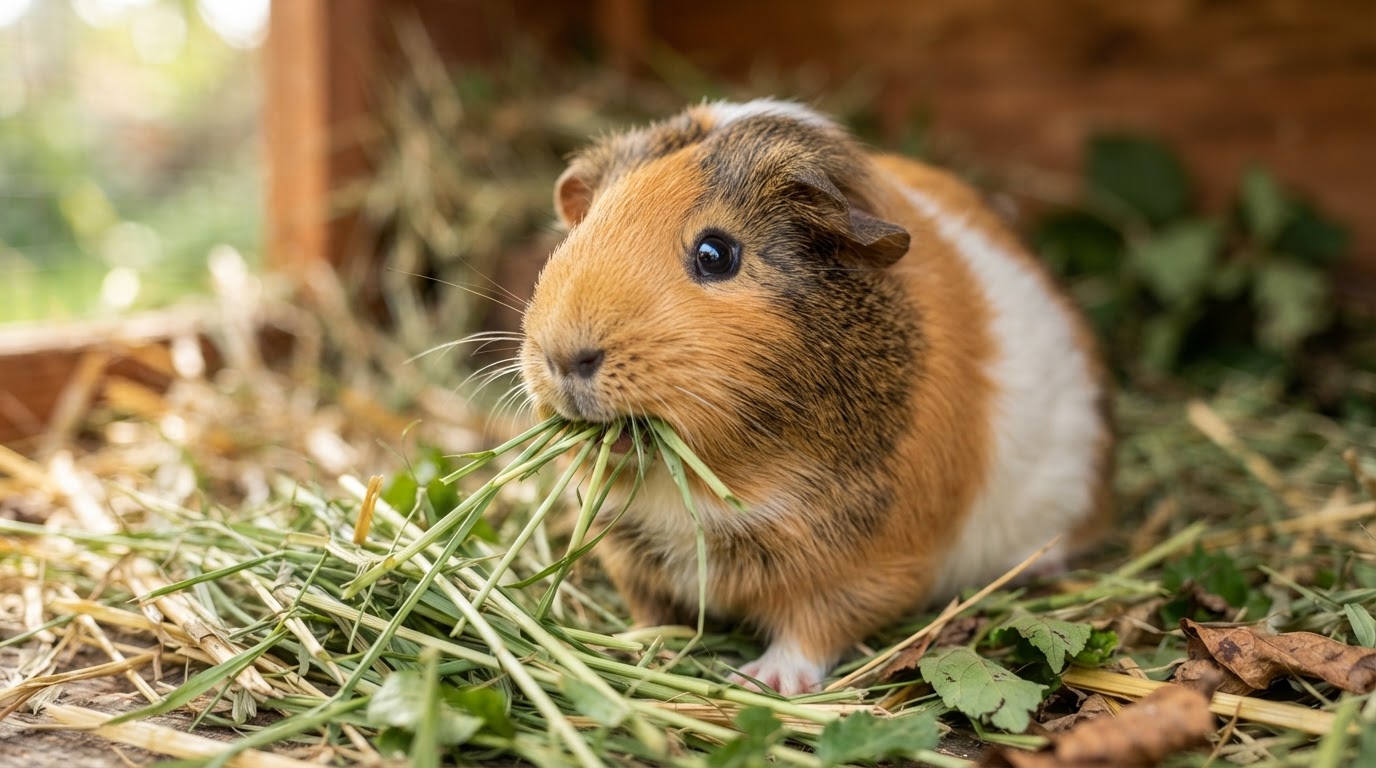
Rabbits, guinea pigs, and chinchillas have teeth that grow continuously throughout their lives. In the wild, a diet of tough grasses keeps them worn down. Without enough chewing, teeth can overgrow and cause painful problems.
Signs of Dental Disease
Watch for dropping food, picky eating, weight loss, drooling or a wet chin, eye or nasal discharge, swelling along the jaw, or fewer droppings. Because these pets hide pain, dental problems are often advanced by the time they are noticed.
Prevention Starts with Diet
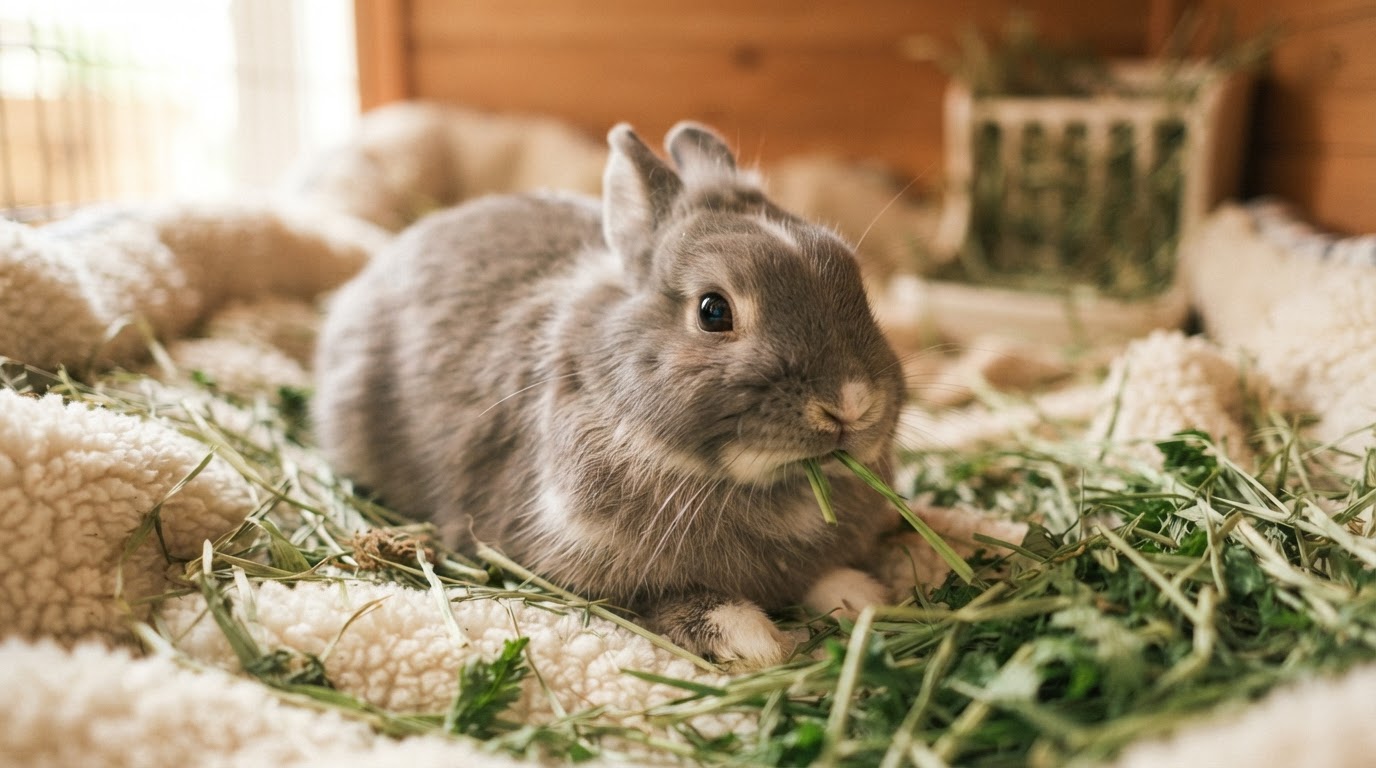
Unlimited grass hay should make up most of the diet for all three species. The constant chewing it requires is the best natural way to keep teeth healthy. Guinea pigs also need a daily source of vitamin C.
Why Exams Matter
Many dental problems involve the back teeth, which cannot be seen without special tools. Regular exams help catch overgrowth and sharp points early. Our exotics team, led by Dr. Christine Fiorello (DACZM), provides small mammal dental care. Call 505-898-1491 to schedule a dental check.
When to call us: If your pet shows signs of illness, call Northwest Animal Clinic at 505-898-1491.
Reviewed by the veterinary team at Northwest Animal Clinic & Hospital on October 19, 2026.
Have a question about your pet's health?
Our doctors see patients by appointment Monday through Friday. Call our pet care team to schedule a visit.