Rabbit GI Stasis: An Emergency Every Owner Should Know
A rabbit that stops eating or pooping needs help fast. Learn the warning signs of GI stasis, common causes, and how to lower the risk.
Key takeaways
- A rabbit that stops eating or producing droppings for even 12 hours needs prompt veterinary care.
- A high-hay diet is the best prevention.
- Never wait to see if it passes on its own.
Northwest Animal Clinic & Hospital
Veterinary Care Team
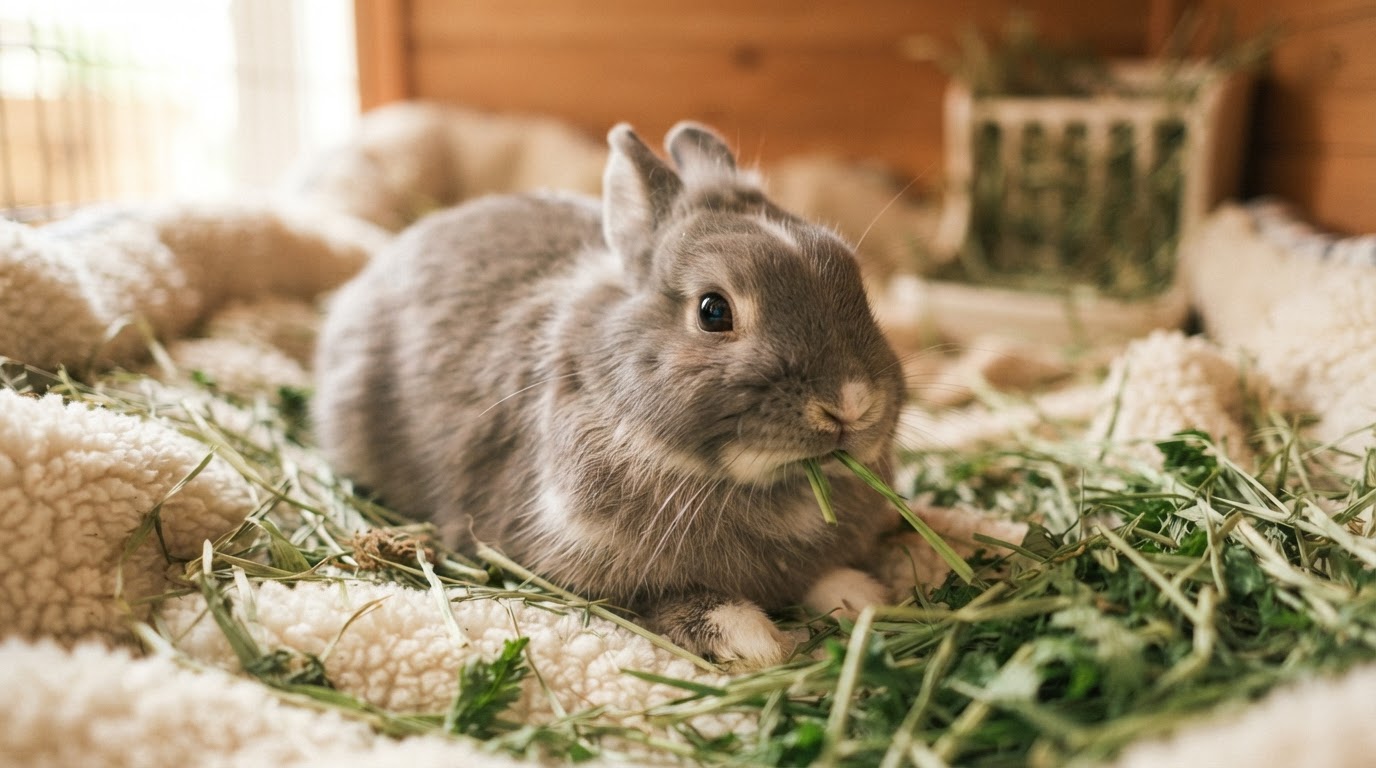
Rabbits have a delicate digestive system that needs to keep moving constantly. When it slows down or stops, a condition called gastrointestinal (GI) stasis, it can become life-threatening quickly.
Warning Signs
Call us right away if your rabbit stops eating, produces fewer or smaller droppings or none at all, seems hunched or reluctant to move, grinds their teeth, or has a bloated belly. Even 12 hours without eating is a concern for a rabbit.
Common Causes
GI stasis is often triggered by a low-fiber diet, dental problems that make chewing painful, stress, dehydration, or an underlying illness or pain elsewhere in the body.
Prevention Starts with Hay
Unlimited grass hay should make up the majority of your rabbit's diet, along with fresh leafy greens, fresh water, and a limited amount of pellets. Sugary treats should be rare. Regular exercise and routine dental checks also help.
Don't Wait It Out
GI stasis is not something to watch at home. Our exotics team, led by Dr. Christine Fiorello (DACZM), is experienced in rabbit medicine. If you notice any of these signs, call 505-898-1491 immediately.
When to call us: If your pet shows signs of illness, call Northwest Animal Clinic at 505-898-1491.
Reviewed by the veterinary team at Northwest Animal Clinic & Hospital on September 14, 2026.
Have a question about your pet's health?
Our doctors see patients by appointment Monday through Friday. Call our pet care team to schedule a visit.