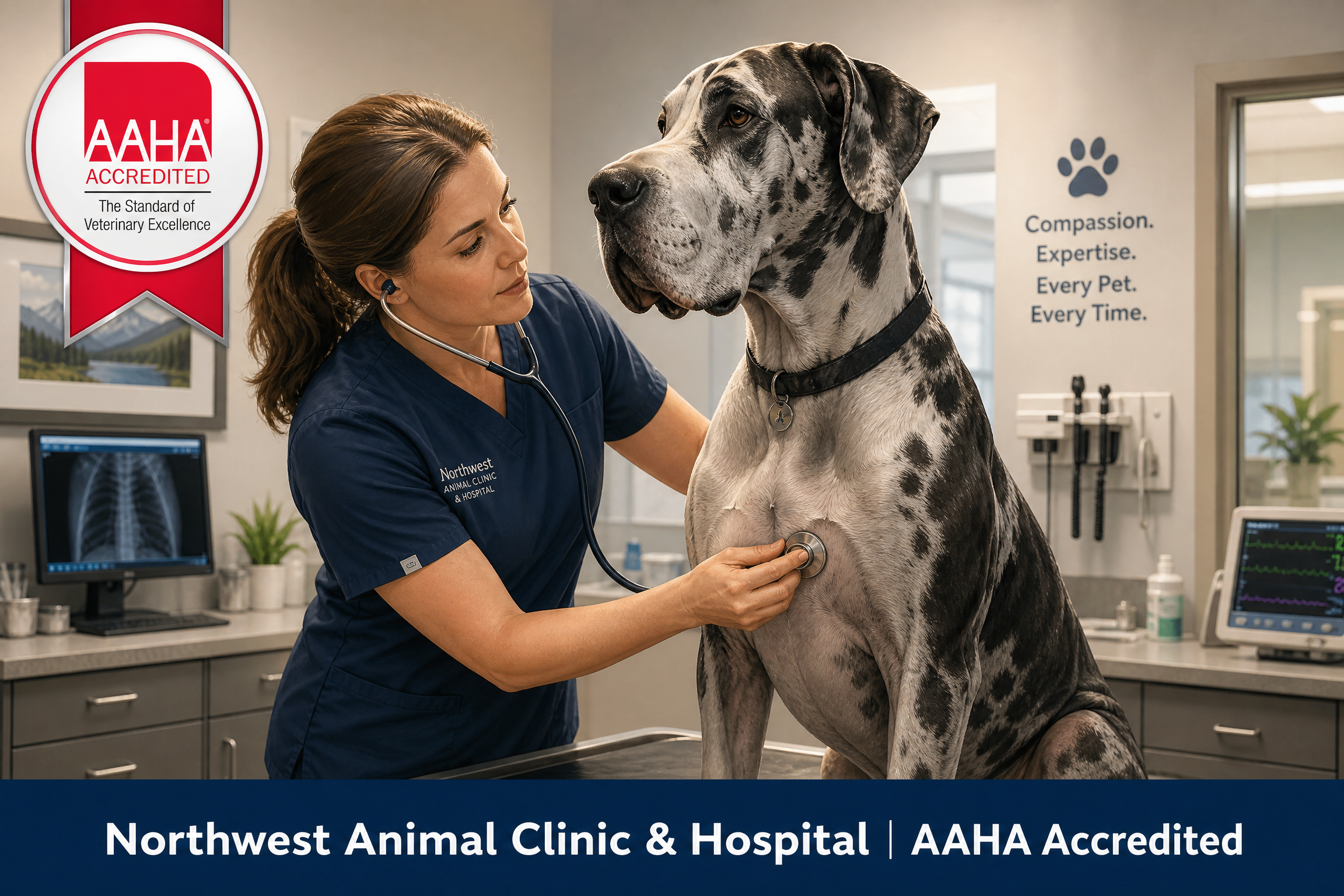
Understanding Canine Bloat (GDV): A Medical Emergency
Gastric dilatation-volvulus, commonly known as bloat, is one of the most serious emergencies a dog can face. Knowing the warning signs and risk factors could save your dog's life.
What Happens During Bloat
Bloat occurs when a dog's stomach fills with gas and expands, sometimes twisting on itself (volvulus). This twisting cuts off blood supply to the stomach and other organs, and without immediate treatment, it can be fatal within hours.
Which Dogs Are at Higher Risk
Large and giant breeds with deep chests, such as Great Danes, German Shepherds, Standard Poodles, and Weimaraners, are at increased risk. Eating quickly, eating one large meal a day, and exercising vigorously right after eating may also contribute.
Warning Signs to Watch For
A distended or hard abdomen, unproductive retching or attempts to vomit, restlessness, drooling, and rapid breathing are hallmark signs. A dog with bloat often appears anxious and unable to get comfortable.
Why Immediate Care Matters
Bloat is always a medical emergency that requires immediate veterinary treatment, often including surgery. There is no effective at-home treatment, so time is critical if you suspect your dog is affected.
Reducing the Risk
Feeding smaller, more frequent meals, using slow-feed bowls, avoiding vigorous exercise right after eating, and talking to your veterinarian about a preventive surgery called gastropexy for high-risk breeds can all help reduce the risk of bloat.
If your dog shows any signs of bloat, don't wait, contact Northwest Animal Clinic or the nearest emergency veterinary hospital immediately.
