Is Your Pet at a Healthy Weight? A Fall Check-In
Extra pounds are one of the most common and preventable health risks for dogs and cats. Learn how to check your pet's body condition and when to ask your vet.
Key takeaways
- Ask about your pet's body condition score, not just the number on the scale.
- You should be able to feel the ribs easily and see a waist from above.
- Keep treats under about 10 percent of daily calories.
Northwest Animal Clinic & Hospital
Veterinary Care Team
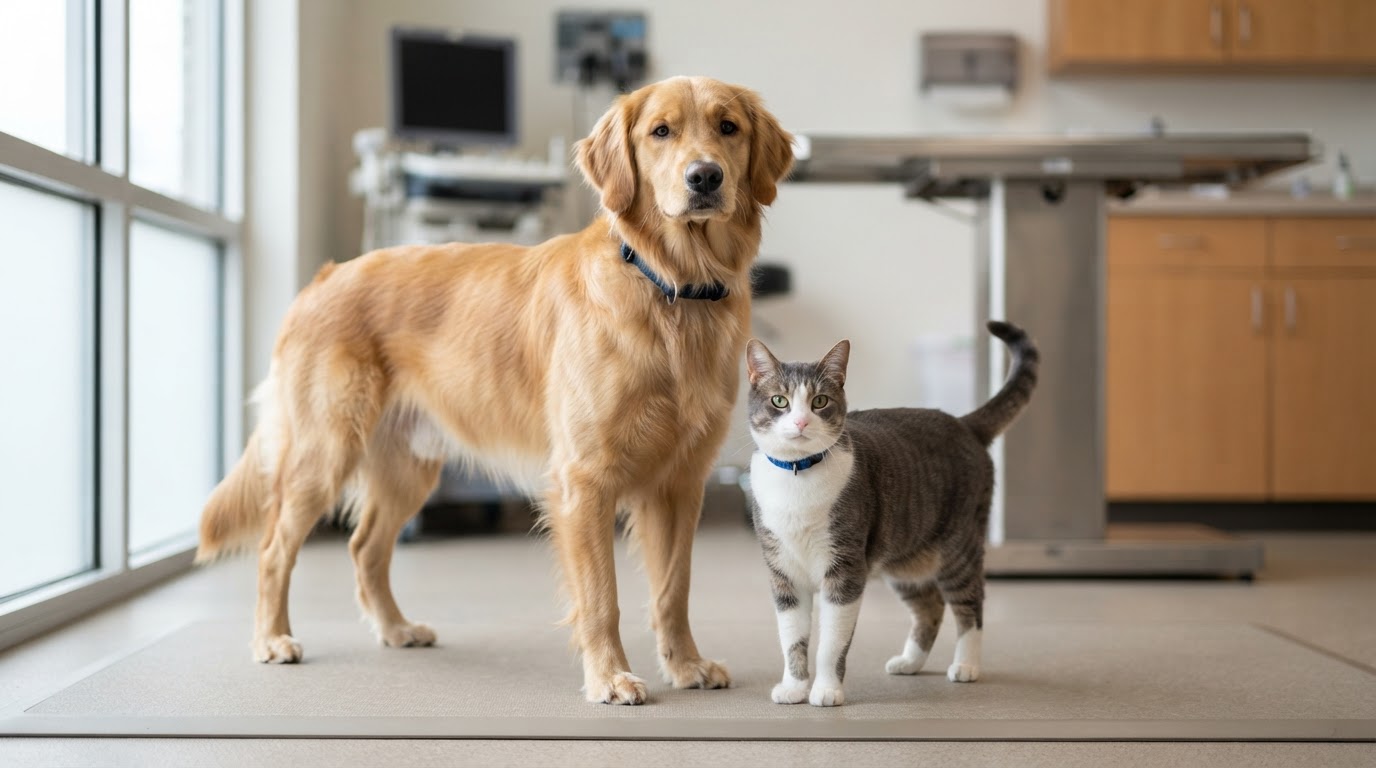
Pet obesity is one of the most common health problems veterinarians see, and many owners don't realize their pet is carrying extra weight. Even a few extra pounds can raise the risk of arthritis, diabetes, and other conditions, and can shorten a pet's life.
Weight Isn't the Whole Story
Veterinarians use a body condition score, which looks at shape and fat cover, alongside the number on the scale. At home, you should be able to feel your pet's ribs easily without pressing hard, and see a defined waist when looking down from above.
Common Culprits
Free-feeding, extra treats, table scraps, and less activity in cooler months add up quickly. Treats should make up no more than about 10 percent of daily calories.
Small Changes That Help
Measure meals instead of eyeballing them, use puzzle feeders, swap some treats for play or attention, and ask your veterinarian for a target weight and a feeding plan made for your pet.
When to Talk to Your Vet
Unexplained weight gain or loss can sometimes signal a medical issue, so mention any changes at your next visit. Our team is happy to do a nutrition and weight check. Call Northwest Animal Clinic at 505-898-1491 to schedule.
When to call us: If your pet shows signs of illness, call Northwest Animal Clinic at 505-898-1491.
Reviewed by the veterinary team at Northwest Animal Clinic & Hospital on November 4, 2026.
Have a question about your pet's health?
Our doctors see patients by appointment Monday through Friday. Call our pet care team to schedule a visit.